About this guide
Ouarzazate and the Kasbah Landscape
Use Ouarzazate as a gateway to southern Morocco’s kasbah country while keeping the geography of each stop clear.
At a glance
Plan the experience
Ouarzazate sits within Drâa-Tafilalet and connects naturally with journeys toward Aït Ben Haddou, Dades, and the desert.
A detail worth knowing
Keep the itinerary realistic
Use verified stops and allow time for the actual character of the destination.
When a precise distance, timing, access rule, or seasonal condition cannot be confirmed, it should be presented as approximate or checked before travel rather than stated as a certainty.
Local context
Why Ouarzazate Matters
Ouarzazate sits at the gateway to southern Morocco's kasbah country and is a practical base for exploring the Draa-Tafilalet region.
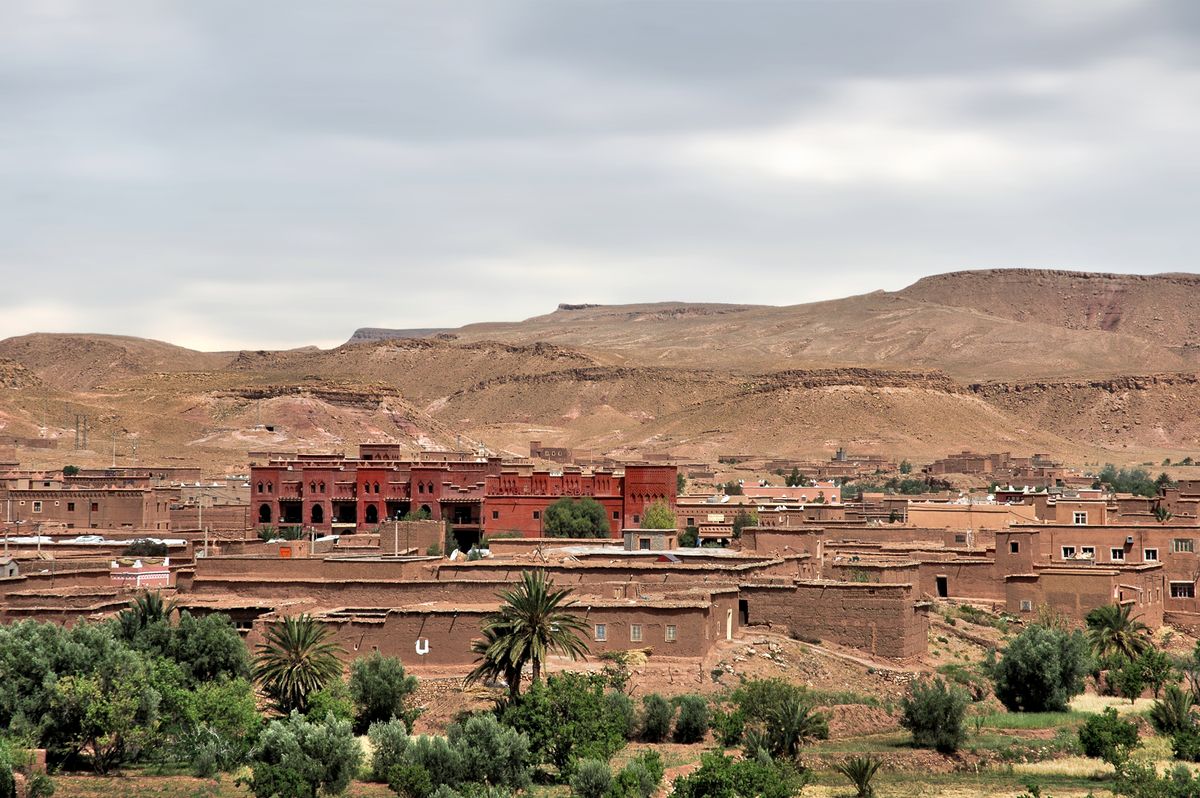
The surrounding landscape combines arid plateaus, valleys and earthen architecture, making the city a natural stop between Marrakech and the Sahara.
How to approach it
Taourirt and Earthen Architecture
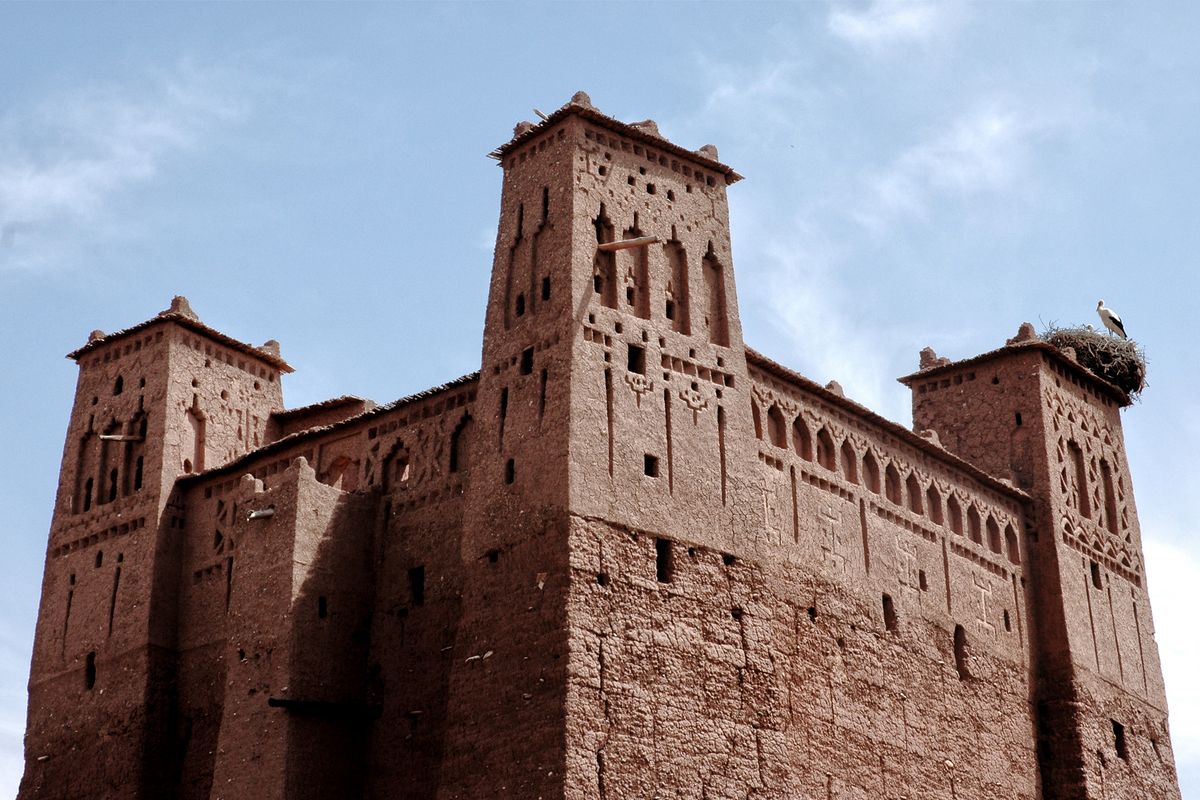
Taourirt Kasbah is one of the city's best-known heritage landmarks.
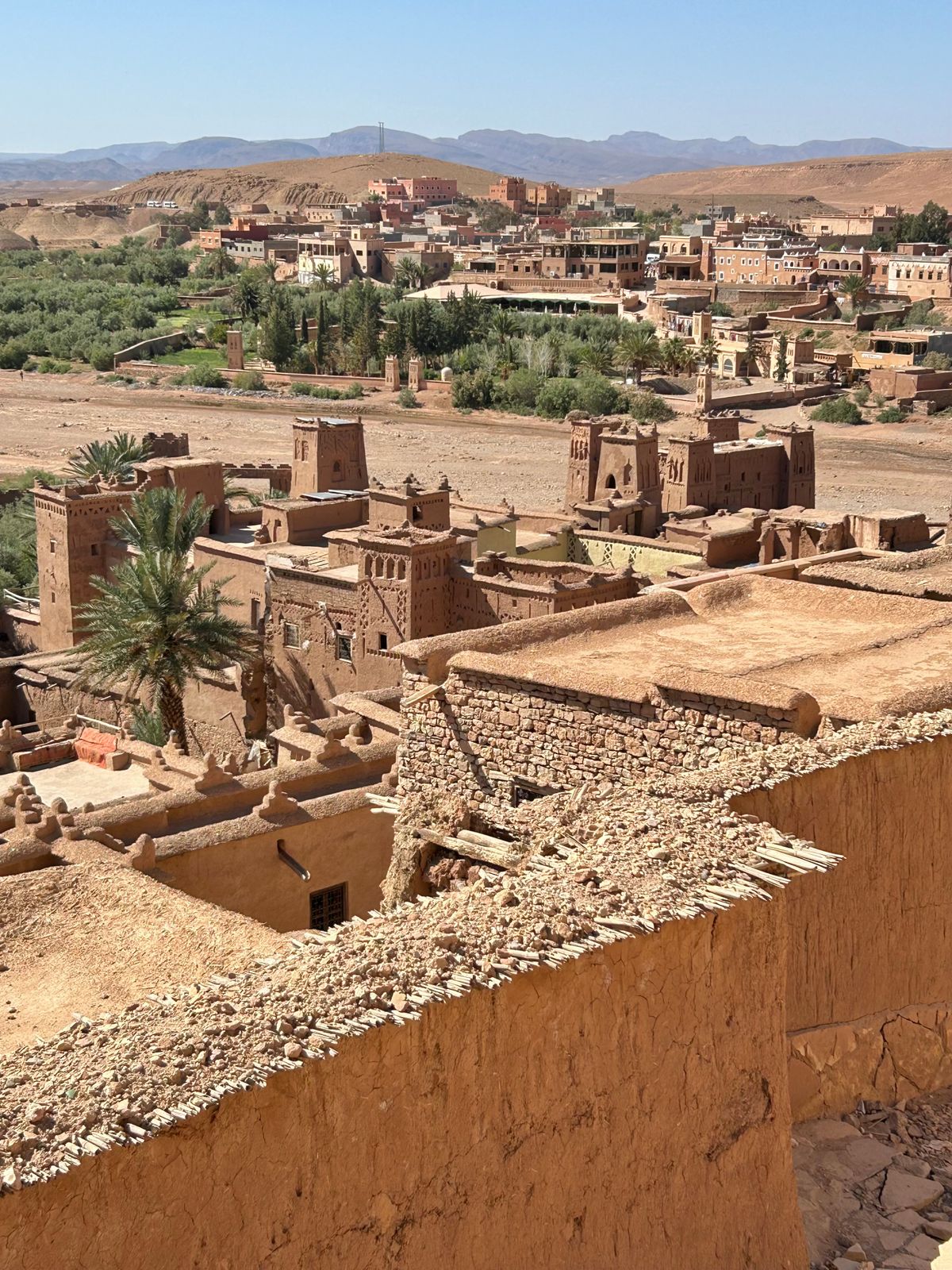
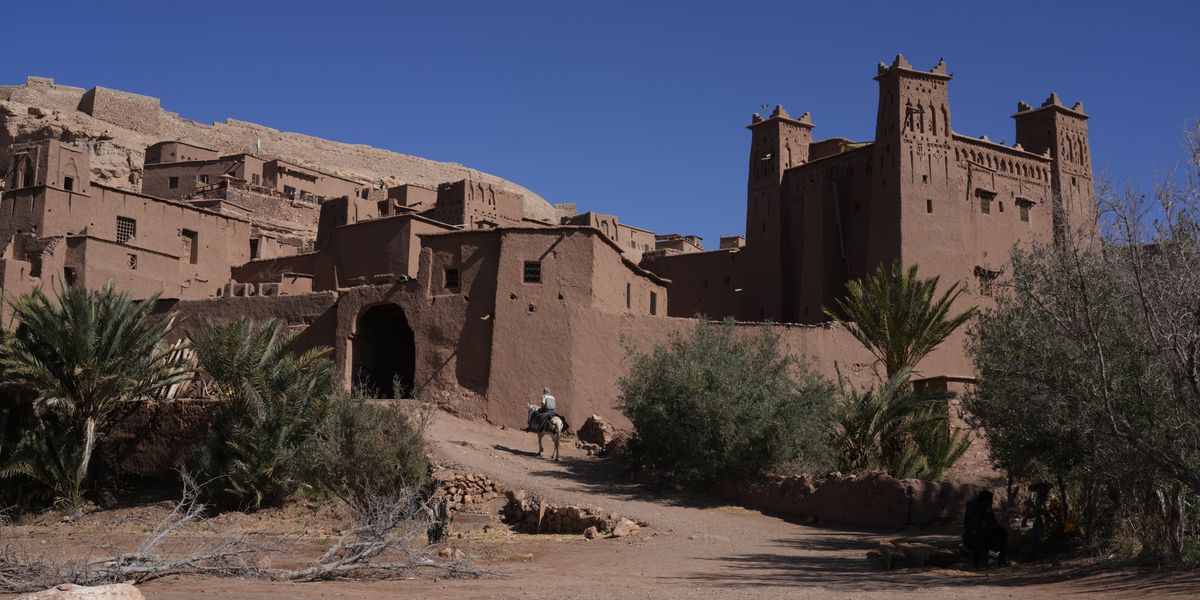
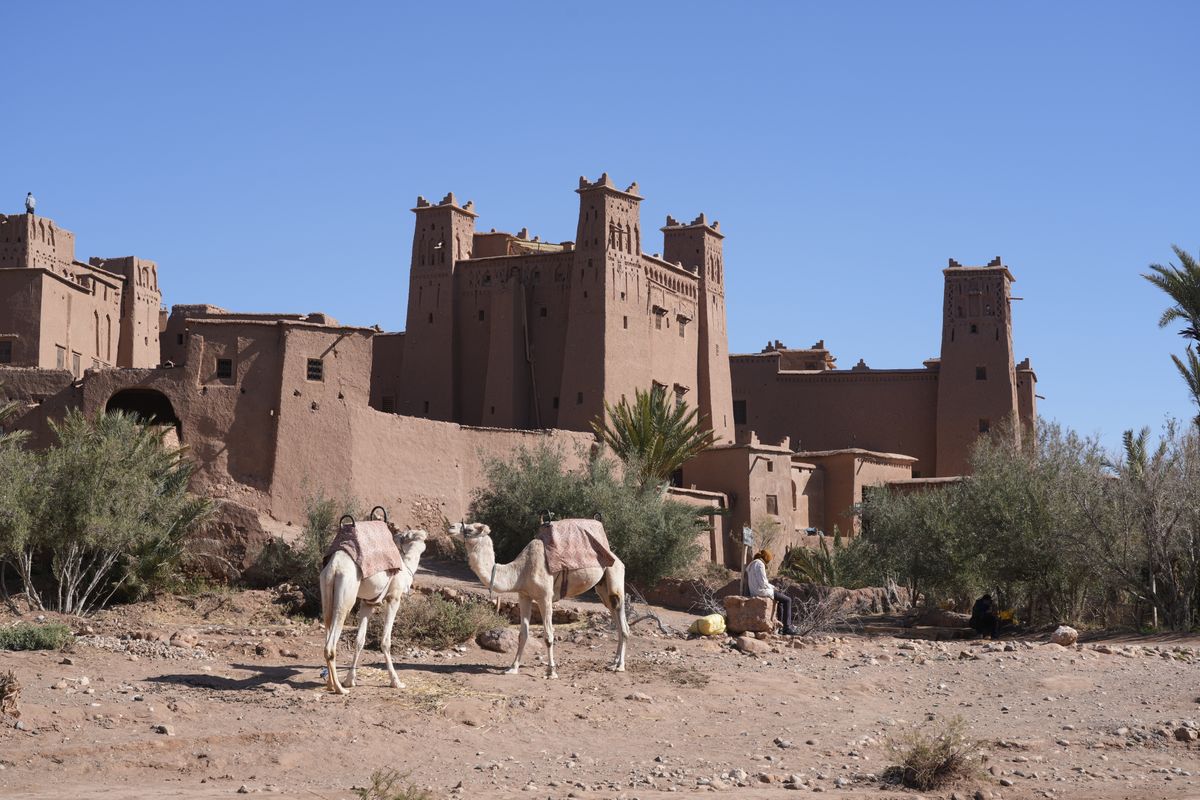
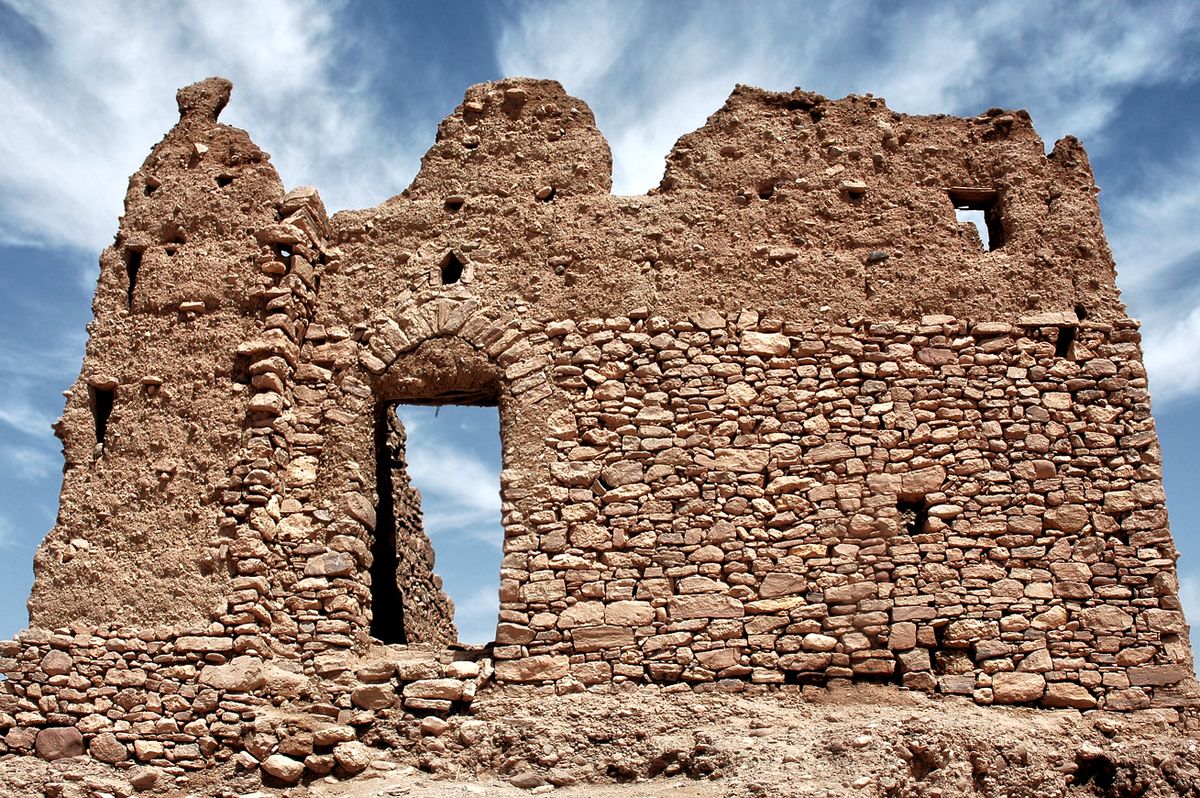
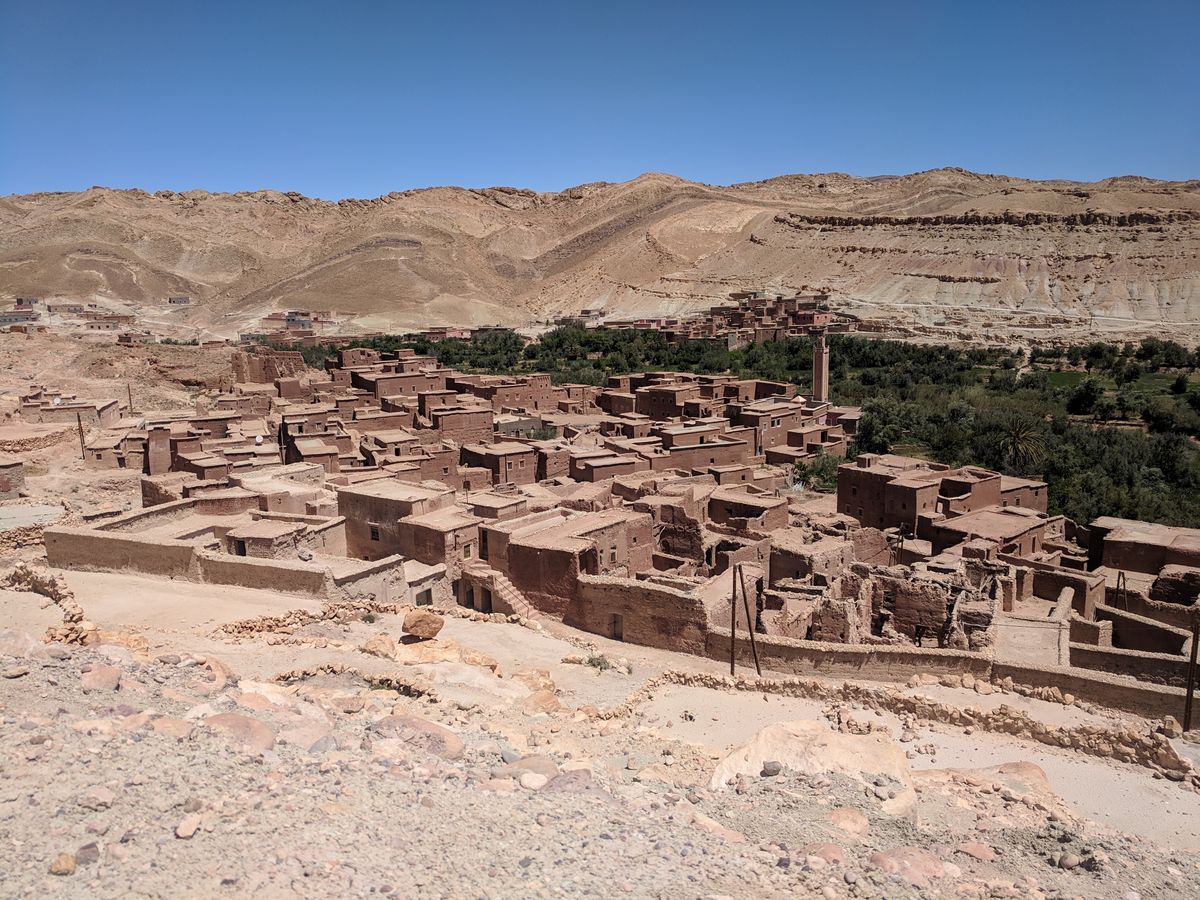
The wider region is filled with earthen settlements built using materials suited to a dry climate.
Look closely at walls, courtyards and decorative details rather than treating kasbahs as simple photo stops.
Timing & conditions
Aït Ben Haddou Connection
Aït Ben Haddou is not inside Ouarzazate itself; it lies to the northwest on the Marrakech–Ouarzazate route.
It is a UNESCO World Heritage site and deserves its own stop.
Keeping the two locations distinct prevents a common travel-planning mistake.
Practical insight
Films, Landscapes and Timing
Ouarzazate has long been associated with film production, but the strongest reason to visit is the combination of architecture and landscape.
Start heritage visits earlier in the day, carry water and leave enough time for the road between the kasbah sites.