01
Volubilis, Morocco
Visit the Roman ruins of Volubilis — a UNESCO World Heritage Site
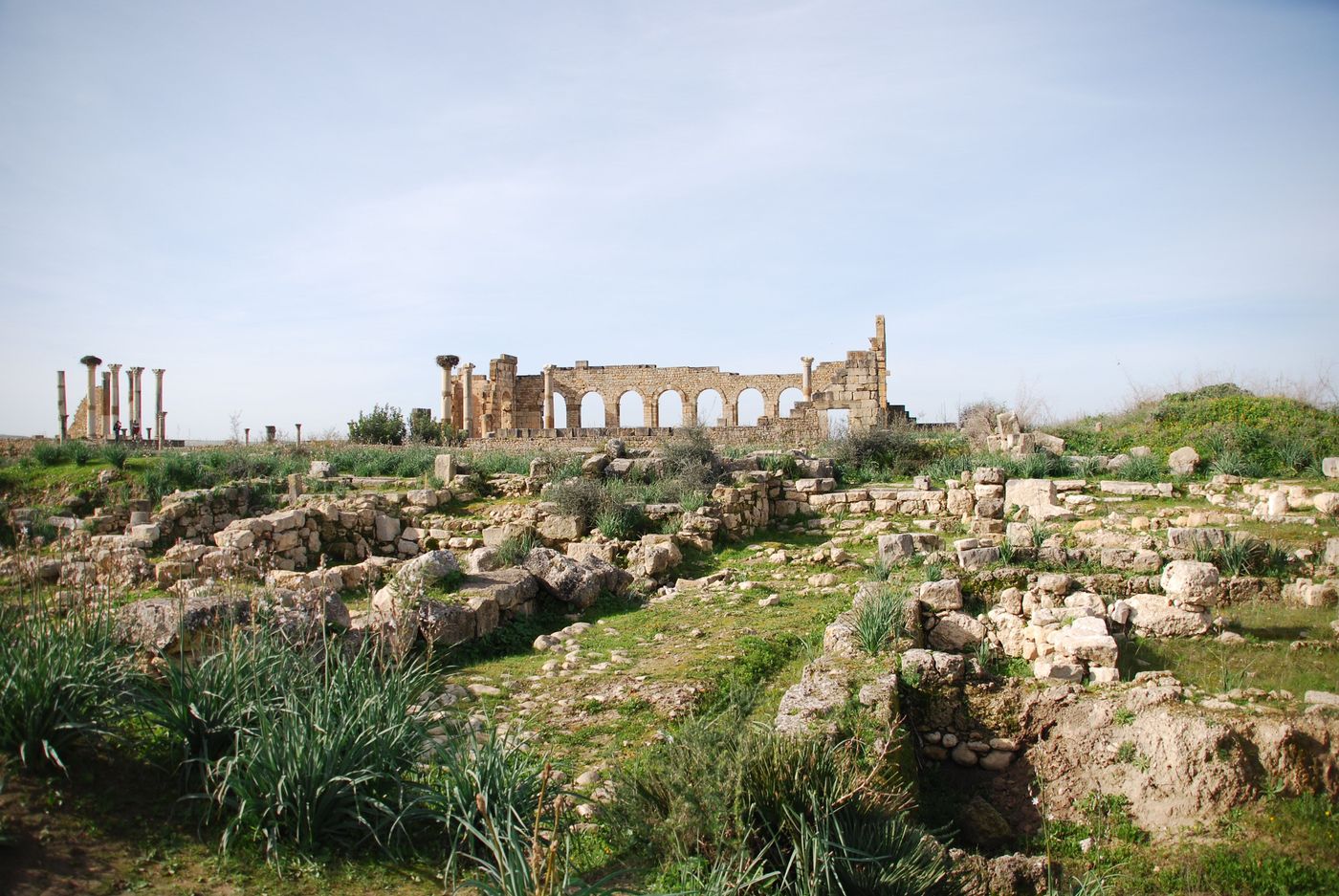
Volubilis is the best-preserved Roman site in North Africa.
A day trip from Fes to the Roman ruins of Volubilis and the imperial city of Meknes — history from the Roman Empire to the Moroccan sultans.
Duration
1 Day
Difficulty
Easy
Elevation
400 m
Best Season
Mar–Nov
Start
Fes
Private
Yes
Start
Fes
End
Fes
Distance
Approx. 120 km driving
Format
Private & customizable
Difficulty profile
A practical seven-step scale built from the route data on this page. It is intended to help you compare journeys, not to replace medical advice or a guide's on-the-ground assessment.
1/7
Easy
Easy
1 Day
400 m
Fes
Approx. 120 km driving
Mar–Nov
Why this rating makes sense
This is a low-difficulty day trip suitable for most travelers, though it involves extended walking on uneven stone surfaces with little shade. Those with mobility issues may find parts of Volubilis challenging. It is ideal for travelers interested in Roman and Moroccan imperial history. Families with older children can manage it well; very young children may find the ruins less engaging.
The radar is a planning aid derived from the route information already published on this page; it is not a medical or technical grading.
Why This Journey?
This is for travelers based in Fes or Meknes who want to see Roman Morocco — the ruins of Volubilis and the imperial city of Meknes. A day of history spanning Roman, Merinid, and Alaouite periods.
Journey overview
Volubilis is the best-preserved Roman site in North Africa — a UNESCO World Heritage Site with stunning mosaics still in place. Nearby Meknes is one of Morocco's four imperial cities, built by Sultan Moulay Ismail in the 17th century. This day trip from Fes connects the Roman era with the imperial era in a single, history-rich day.
It is planned as a 1 day experience with the route beginning in Fes and finishing in Fes The listed difficulty is easy with a stated high point or elevation of 400 m and an approximate distance of Approx. 120 km driving. The current itinerary data lists Mar–Nov as the best season.
The journey is structured around Day 1: Fes → Volubilis → Meknes → Return (Fes → Volubilis → Meknes → Fes). Key elements include Visit the Roman ruins of Volubilis — a UNESCO World Heritage Site; Explore Meknes — one of Morocco's imperial cities; See the Bab el-Mansour gate and El Hedim Square; Visit the Mausoleum of Moulay Ismail.
This is for travelers based in Fes or Meknes who want to see Roman Morocco — the ruins of Volubilis and the imperial city of Meknes. A day of history spanning Roman, Merinid, and Alaouite periods. You will explore the Roman ruins of Volubilis, walking among the remains of public baths, a basilica, a triumphal arch, and well-preserved floor mosaics that are among the finest in North Africa. A guide is recommended to interpret the site, as signage is limited. The trip then continues to Meknes, where highlights include the monumental Bab el-Mansour gate, the Mausoleum of Moulay Ismail, and the vast Heri es-Souani granaries. Lunch is typically taken in the Meknes medina. The day involves considerable walking over exposed, uneven ground at Volubilis. This is a low-difficulty day trip suitable for most travelers, though it involves extended walking on uneven stone surfaces with little shade. Those with mobility issues may find parts of Volubilis challenging. It is ideal for travelers interested in Roman and Moroccan imperial history. Families with older children can manage it well; very young children may find the ruins less engaging.
For the guest
For guests who want to understand Morocco rather than simply photograph it, this journey creates time for streets, architecture, local life and the historical context behind the places on the route.
If you are researching volubilis, this page is designed to answer the questions that matter before booking: what the days feel like, who the route suits, what the route includes and what conditions to prepare for.
The practical side matters too: this is a easy journey over 1 Day, with the best travel window listed as Mar–Nov. This is a low-difficulty day trip suitable for most travelers, though it involves extended walking on uneven stone surfaces with little shade. Those with mobility issues may find parts of Volubilis challenging. It is ideal for travelers interested in Roman and Moroccan imperial history. Families with older children can manage it well; very young children may find the ruins less engaging.
About the Region
Volubilis sits on a ridge above the Khoumane valley near Meknes, in the fertile Zerhoun uplands of northern Morocco. The site overlooks a rolling alluvial plain that has been farmed for millennia. The region is part of the Fes-Meknes area, known for its rich agricultural land, olive groves, and vineyards. The climate is Mediterranean-influenced, with hot, dry summers and cool, wet winters. Meknes itself is one of Morocco's imperial cities, built largely by Sultan Moulay Ismail in the 17th and 18th centuries.
Continue planning Morocco
Compare this Volubilis and Meknes day trip from Fes with the places and practical guides that help travelers understand the route before booking.
Morocco travel guides
Journey highlights
A route-specific field guide built from the places, highlights and activities already recorded for this journey.
Volubilis, Morocco
Volubilis is the best-preserved Roman site in North Africa.
Meknes, Morocco
The site has little shade — bring sun protection.
Journey stage
Meknes is one of the four imperial cities of Morocco.
Journey stage
Best from March to November.
Journey stage
This is for travelers based in Fes or Meknes who want to see Roman Morocco — the ruins of Volubilis and the imperial city of Meknes. A day of history spanning Roman, Merinid, and Alaouite periods.
Journey stage 1
Depart 09:00, return by 17:00
Journey stage 1
Depart 09:00, return by 17:00
Journey stage 1
Depart 09:00, return by 17:00
Journey stage 1
Depart 09:00, return by 17:00
Journey stage 1
Depart 09:00, return by 17:00
Journey stage 1
Depart 09:00, return by 17:00
Good to know
History enthusiasts
Good to know
Those interested in Roman ruins
What to experience
A visual route guide built around the actual places and experiences named in this itinerary. Each photograph is chosen from the matching location pool, while the note beside it explains why that moment matters to a guest.
Volubilis, Morocco
This moment is included because it helps explain what the journey is actually like on the ground. Visit the Roman ruins of Volubilis — a UNESCO World Heritage Site is connected to the route, season and practical details above, giving guests useful context instead of using the photograph as decoration alone.
Meknes, Morocco
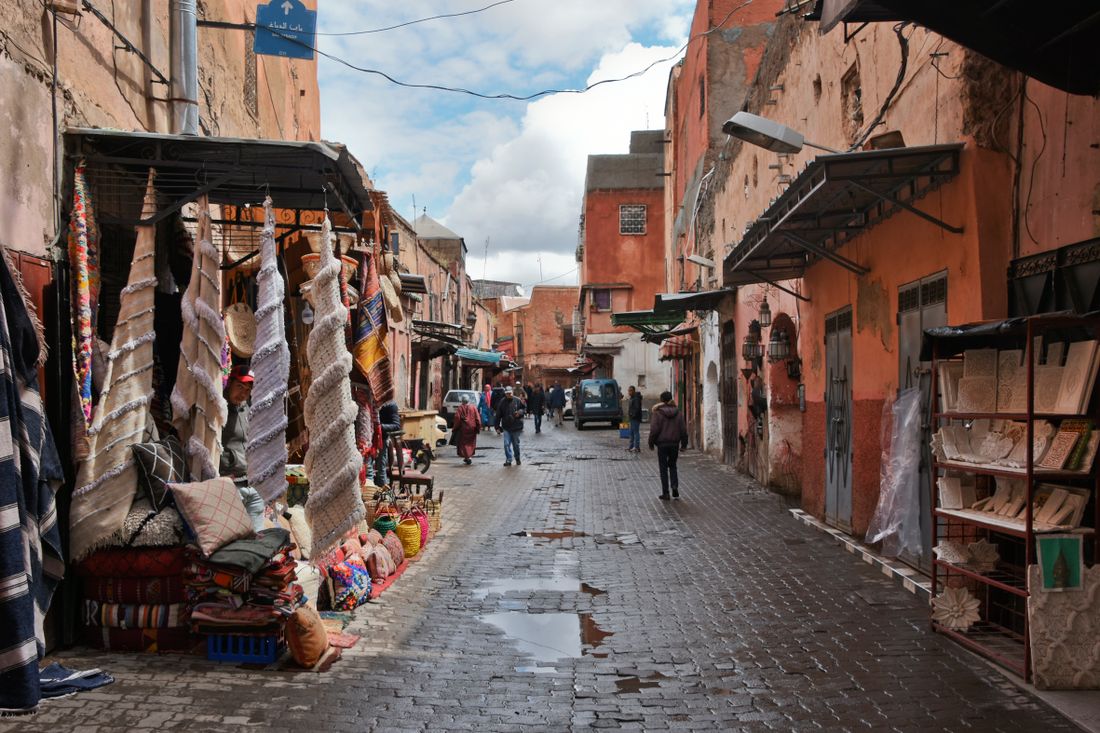
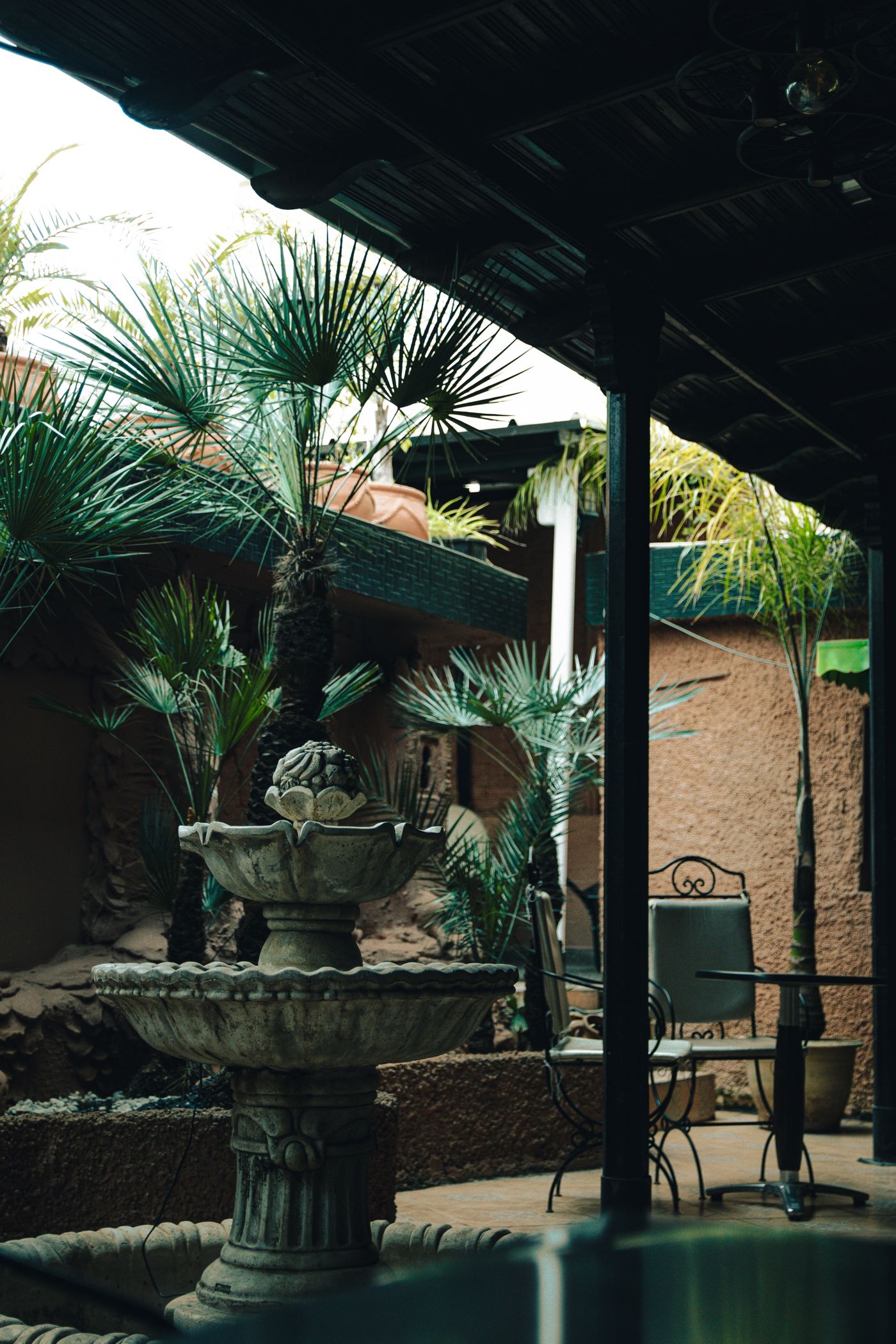
Expect a more sensory part of the journey here: architecture, movement, craft, food and the small details that are easy to miss when a city is rushed. Explore Meknes — one of Morocco's imperial cities is presented as part of the route so guests can understand why this stop matters, not just where the photograph was taken.
Gallery
12 photos
Route & Map
Key locations on this journey. Markers show the verified waypoints available for this route; the map does not claim exact trail geometry.
Day-by-Day
This is a suggested itinerary. Every journey is adjustable — pace, activities, and accommodation.
Walking
3–4 hours
Driving
2 hours total
Timing
Depart 09:00, return by 17:00
Meals
Lunch
Accommodation
Not applicable (day trip)
What You Will Experience
You will explore the Roman ruins of Volubilis, walking among the remains of public baths, a basilica, a triumphal arch, and well-preserved floor mosaics that are among the finest in North Africa. A guide is recommended to interpret the site, as signage is limited. The trip then continues to Meknes, where highlights include the monumental Bab el-Mansour gate, the Mausoleum of Moulay Ismail, and the vast Heri es-Souani granaries. Lunch is typically taken in the Meknes medina. The day involves considerable walking over exposed, uneven ground at Volubilis.
Journey character
Physical Demands
3–4 hours of walking on uneven ground
Some stairs at the ruins
Moderate pace with stops
Best Time to Go
This trip operates from March to November, avoiding the wettest winter months when ruins can be slippery and access roads less pleasant. Spring and autumn offer the best balance of comfortable temperatures for walking the exposed site. Summer can be hot with little shade at Volubilis, so morning visits are advisable. The site closes in heavy rain.
Is This Right for You?
History enthusiasts
Those interested in Roman ruins
Travelers who want to see an imperial city beyond Fes
Anyone who enjoys archaeological sites
Those with limited mobility — the ruins have uneven ground
Travelers who dislike long walks
Those who prefer modern attractions
What's Included
Private transport with driver
Guided tour of Volubilis
Local guide in Meknes
Entrance fees
Lunch
Personal non-alcoholic beverages
Travel insurance
Tips
Practical Information
Not applicable — this is a day trip from Fes.
Private vehicle with professional driver.
Lunch at a restaurant in Meknes.
What to Pack
Comfortable walking shoes
Sun protection
Hat (limited shade at Volubilis)
Water bottle
Camera
FAQs
About 60 km — roughly 1 hour by car. Combined with Meknes, it makes a full day trip.
It is the best-preserved Roman ruins in North Africa, a UNESCO World Heritage Site with well-preserved mosaics, columns, and the ruins of a Roman provincial capital.
Approximately 1 hour by car from Fes, through Meknes.
This is a starting point. We will tailor every detail to your dates, interests, and travel companions.
From
Fes
Related Journeys