About this guide
Marrakech to the Sahara: How to Plan the Journey
Understand the long overland journey from Marrakech toward the southeastern desert and how to divide the route sensibly.
At a glance
Plan the experience
A Marrakech–Sahara itinerary crosses changing landscapes and several major regions.
Good planning protects time for stops rather than treating the route as a single rushed transfer.

A detail worth knowing
Keep the itinerary realistic
Use verified stops and allow time for the actual character of the destination.
When a precise distance, timing, access rule, or seasonal condition cannot be confirmed, it should be presented as approximate or checked before travel rather than stated as a certainty.

Local context
The Classic Corridor
The Marrakech-to-Sahara route is a multi-region journey, not a single transfer.
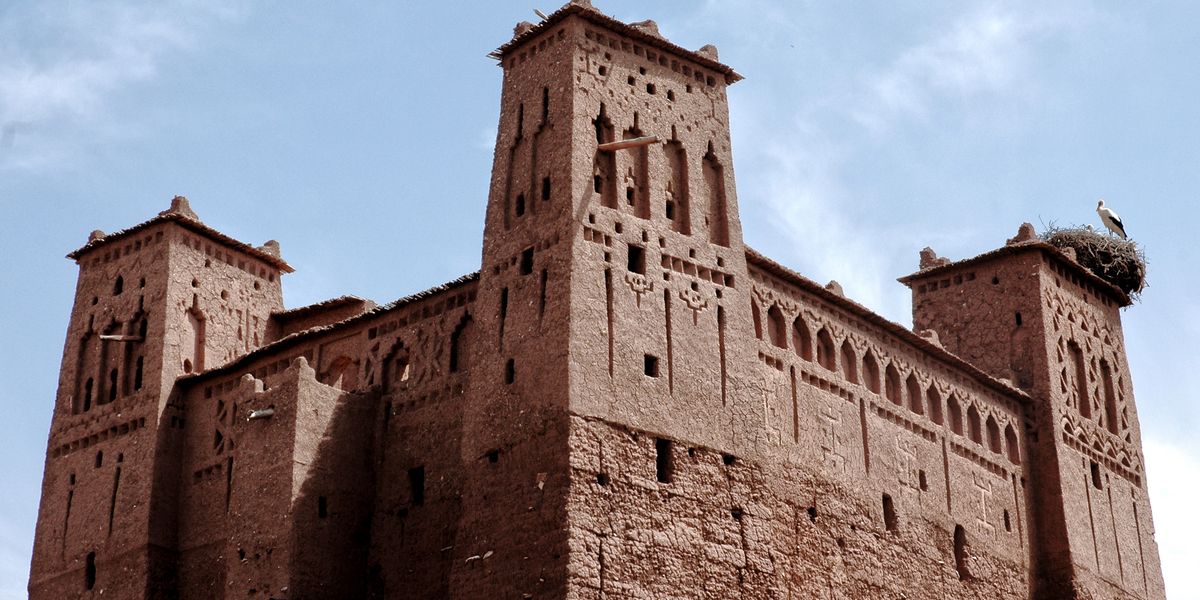
A well-paced itinerary can cross the High Atlas, visit Aït Ben Haddou and Ouarzazate, overnight in Dades or Todra, then continue toward the dunes.

How to approach it
Why Stop in the Valleys
Dades and Todra break the long drive and add a completely different landscape from both Marrakech and the desert.
They are also where travellers can experience oasis agriculture, earthen architecture and mountain geology.

Timing & conditions
Marrakech and the Desert Need Different Pacing
Marrakech rewards walking, food and cultural exploration.
The desert requires road time and a carefully timed arrival for the evening camp experience.
Trying to compress both into a single rushed day reduces the quality of both.

Practical insight
How Many Days
Three days can cover the classic Marrakech-to-Fes desert corridor, but four or five days allow more time for the valleys, viewpoints and slower mornings.
Private itineraries can be adjusted around your arrival and departure flights.
