
01
Taroudant, Morocco
Visit Taroudant — the "Little Marrakech"
Taroudant is known as the "Little Marrakech" — but without the crowds.
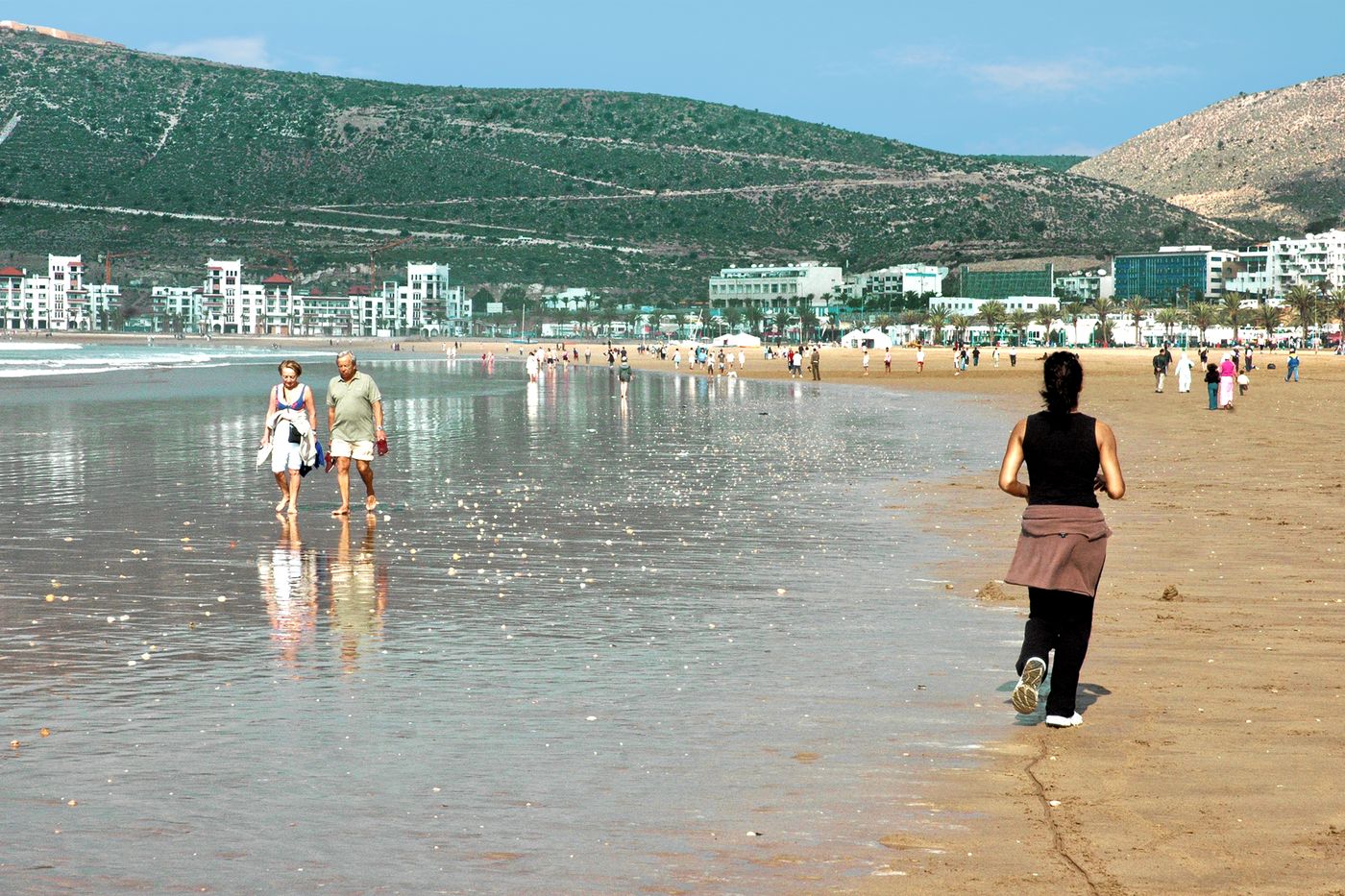
A two-day journey to the Souss Valley and Taroudant — the 'Little Marrakech' — with argan forests, Berber villages, and authentic souks.
Duration
2 Days
Difficulty
Easy
Elevation
Up to 2,092 m (Tizi n'Test)
Best Season
Year-round
Start
Marrakech or Agadir
Private
Yes
Start
Marrakech or Agadir
End
Marrakech or Agadir
Distance
Approx. 300 km driving
Format
Private & customizable
Difficulty profile
A practical seven-step scale built from the route data on this page. It is intended to help you compare journeys, not to replace medical advice or a guide's on-the-ground assessment.
1/7
Easy
Easy
2 Days
Up to 2,092 m (Tizi n'Test)
Marrakech or Agadir
Approx. 300 km driving
Year-round
Why this rating makes sense
This is a low-difficulty journey suited to travelers interested in culture, agriculture, and local crafts rather than physical challenge. Walking is mostly flat and light. It is appropriate for families and older travelers. Those seeking trekking or dramatic landscapes may find the valley too gentle and developed.
The radar is a planning aid derived from the route information already published on this page; it is not a medical or technical grading.
Why This Journey?
This is for travelers exploring the south around Agadir and Taroudant — the Souss valley, argan forests, and Berber villages. A journey through a region most tourists fly over on the way to somewhere else.
Journey overview
Taroudant is called the Little Marrakech — a walled city in the Souss valley with ramparts, souks, and a relaxed pace, but without the crowds of Marrakech. The journey crosses argan forests (unique to this region) where goats climb trees, visits Berber villages, and explores the city walls and souks. It is a gentle, cultural journey through a less-visited part of Morocco.
It is planned as a 2 days experience with the route beginning in Marrakech or Agadir and finishing in Marrakech or Agadir The listed difficulty is easy with a stated high point or elevation of Up to 2,092 m (Tizi n'Test) and an approximate distance of Approx. 300 km driving. The current itinerary data lists Year-round as the best season.
The journey is structured around Day 1: Marrakech or Agadir to Taroudant (Marrakech → Tizi n'Test → Taroudant (or Agadir → Taroudant)); Day 2: Taroudant and return (Taroudant → Marrakech or Agadir). Key elements include Visit Taroudant — the "Little Marrakech"; Explore the Souss valley and its argan forests; Walk the city walls and explore the souks; See traditional argan oil production.
This is for travelers exploring the south around Agadir and Taroudant — the Souss valley, argan forests, and Berber villages. A journey through a region most tourists fly over on the way to somewhere else. You will travel through the valley visiting argan cooperatives where local Amazigh women demonstrate the traditional process of extracting argan oil from the nuts. The journey includes stops at palm groves, agricultural land, and towns like Taroudant, known for its medina and souks without the tourist pressure of Marrakesh. Accommodation is typically in guesthouses or small hotels in the valley towns. Food features local produce, tagines, and argan oil-based dishes. Encounters with cooperative workers and market vendors are common. This is a low-difficulty journey suited to travelers interested in culture, agriculture, and local crafts rather than physical challenge. Walking is mostly flat and light. It is appropriate for families and older travelers. Those seeking trekking or dramatic landscapes may find the valley too gentle and developed.
For the guest
For guests who want to understand Morocco rather than simply photograph it, this journey creates time for streets, architecture, local life and the historical context behind the places on the route.
If you are researching souss valley, this page is designed to answer the questions that matter before booking: what the days feel like, who the route suits, what the route includes and what conditions to prepare for.
The practical side matters too: this is a easy journey over 2 Days, with the best travel window listed as Year-round. This is a low-difficulty journey suited to travelers interested in culture, agriculture, and local crafts rather than physical challenge. Walking is mostly flat and light. It is appropriate for families and older travelers. Those seeking trekking or dramatic landscapes may find the valley too gentle and developed.
About the Region
The Souss Valley stretches between the Anti-Atlas Mountains and the Atlantic coast in southwestern Morocco, forming one of the country's most fertile agricultural regions. The valley is defined by vast palm groves, citrus orchards, and the argan tree, which grows wild only in this part of the world. The climate is semi-arid, with hot summers and mild winters, and the landscape is flat and open with distant mountain backdrops. The region is the heart of Amazigh (Berber) culture, and argan oil production is a defining local industry. Towns such as Taroudant and Tiznit anchor the valley with their traditional souks and ramparts.
Continue planning Morocco
Compare this Souss Valley tour Morocco with the places and practical guides that help travelers understand the route before booking.
Morocco travel guides
Journey highlights
A route-specific field guide built from the places, highlights and activities already recorded for this journey.
Taroudant, Morocco
Taroudant is known as the "Little Marrakech" — but without the crowds.
Journey stage
The city walls are intact and can be walked.
Journey stage
The Souss valley is the heart of argan oil country.
Journey stage
Best year-round.
Journey stage
This is for travelers exploring the south around Agadir and Taroudant — the Souss valley, argan forests, and Berber villages. A journey through a region most tourists fly over on the way to somewhere else.
Journey stage 1
Marrakech or Agadir to Taroudant
Journey stage 1
Marrakech or Agadir to Taroudant
Journey stage 1
Marrakech or Agadir to Taroudant
Journey stage 1
Marrakech or Agadir to Taroudant
Journey stage 1
Marrakech or Agadir to Taroudant
Journey stage 2
Taroudant and return
Journey stage 2
Taroudant and return
Good to know
Travelers who want a quieter city experience
Good to know
Those interested in traditional Moroccan towns
What to experience
A visual route guide built around the actual places and experiences named in this itinerary. Each photograph is chosen from the matching location pool, while the note beside it explains why that moment matters to a guest.
Taroudant, Morocco
Expect a more sensory part of the journey here: architecture, movement, craft, food and the small details that are easy to miss when a city is rushed. Visit Taroudant — the "Little Marrakech" is presented as part of the route so guests can understand why this stop matters, not just where the photograph was taken.
Gallery
16 photos
Route & Map
Key locations on this journey. Markers show the verified waypoints available for this route; the map does not claim exact trail geometry.
Day-by-Day
This is a suggested itinerary. Every journey is adjustable — pace, activities, and accommodation.
Walking
2–3 hours
Driving
3–4 hours
Meals
Lunch, dinner
Accommodation
Guesthouse in Taroudant
Walking
2 hours
Driving
3–4 hours
Meals
Breakfast, lunch
Accommodation
Not included
What You Will Experience
You will travel through the valley visiting argan cooperatives where local Amazigh women demonstrate the traditional process of extracting argan oil from the nuts. The journey includes stops at palm groves, agricultural land, and towns like Taroudant, known for its medina and souks without the tourist pressure of Marrakesh. Accommodation is typically in guesthouses or small hotels in the valley towns. Food features local produce, tagines, and argan oil-based dishes. Encounters with cooperative workers and market vendors are common.
Journey character
Physical Demands
2–3 hours of walking per day on flat streets
Long driving days
Moderate pace
Best Time to Go
The valley is accessible year-round, but spring and autumn are the most pleasant for exploring outdoors, with warm days and cooler evenings. Summer can be very hot, making midday activity uncomfortable. Winter is mild and suitable, though mornings can be cool. The argan harvest season falls in late summer and early autumn, which may add interest to cooperative visits.
Is This Right for You?
Travelers who want a quieter city experience
Those interested in traditional Moroccan towns
People who want to see argan forests
Anyone who prefers less crowded destinations
Those who want big dunes or major landmarks
Travelers who dislike long drives
Those who prefer active trekking
What's Included
Private transport with driver
Guesthouse accommodation in Taroudant
Breakfast and dinner
Local guide in Taroudant
Private vehicle with driver
Hotel pickup and drop-off
Visit to Taroudant medina and souks
Lunches
Personal non-alcoholic beverages
Travel insurance
Tips
Practical Information
Guesthouse in Taroudant — traditional Moroccan style.
Private vehicle with professional driver.
Breakfast and dinner at the guesthouse. Moroccan cuisine.
What to Pack
Comfortable walking shoes
Sun protection
Light layers
Camera
Light jacket for cool mornings
FAQs
Yes — if you want a quieter, more authentic Moroccan city experience. It has walls, souks, and traditional architecture without the crowds of Marrakech.
It is a fertile plain between the Anti-Atlas and the Atlantic coast, known for argan trees, orange groves, and the historic town of Taroudant, often called “Little Marrakech.”
Yes — we visit a women’s argan oil cooperative where you can see the traditional process of extracting oil from argan kernels.
This is a starting point. We will tailor every detail to your dates, interests, and travel companions.
From
Marrakech or Agadir
Related Journeys


