
About this guide
Planning a Morocco Road Journey
A practical framework for building a multi-stop Moroccan itinerary without turning every day into a long transfer.
At a glance
Plan the experience
Group nearby regions, protect time for major sites, and treat mountain and desert driving times as approximate because stops and road conditions vary.
A detail worth knowing
Keep the itinerary realistic
Use verified stops and allow time for the actual character of the destination.
When a precise distance, timing, access rule, or seasonal condition cannot be confirmed, it should be presented as approximate or checked before travel rather than stated as a certainty.
Local context
How to Build the Route
Morocco rewards road trips that connect regions rather than trying to see everything at once.
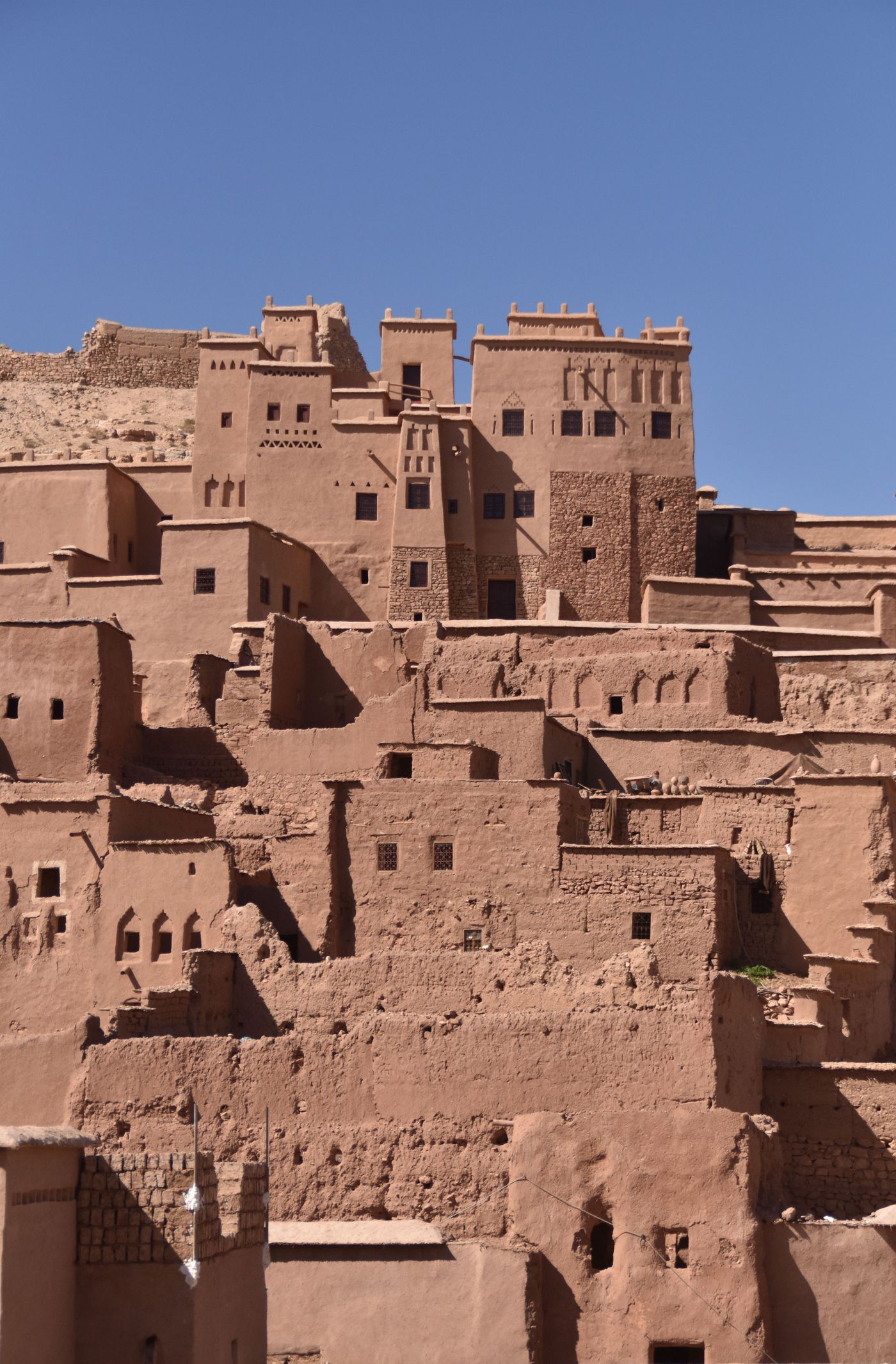
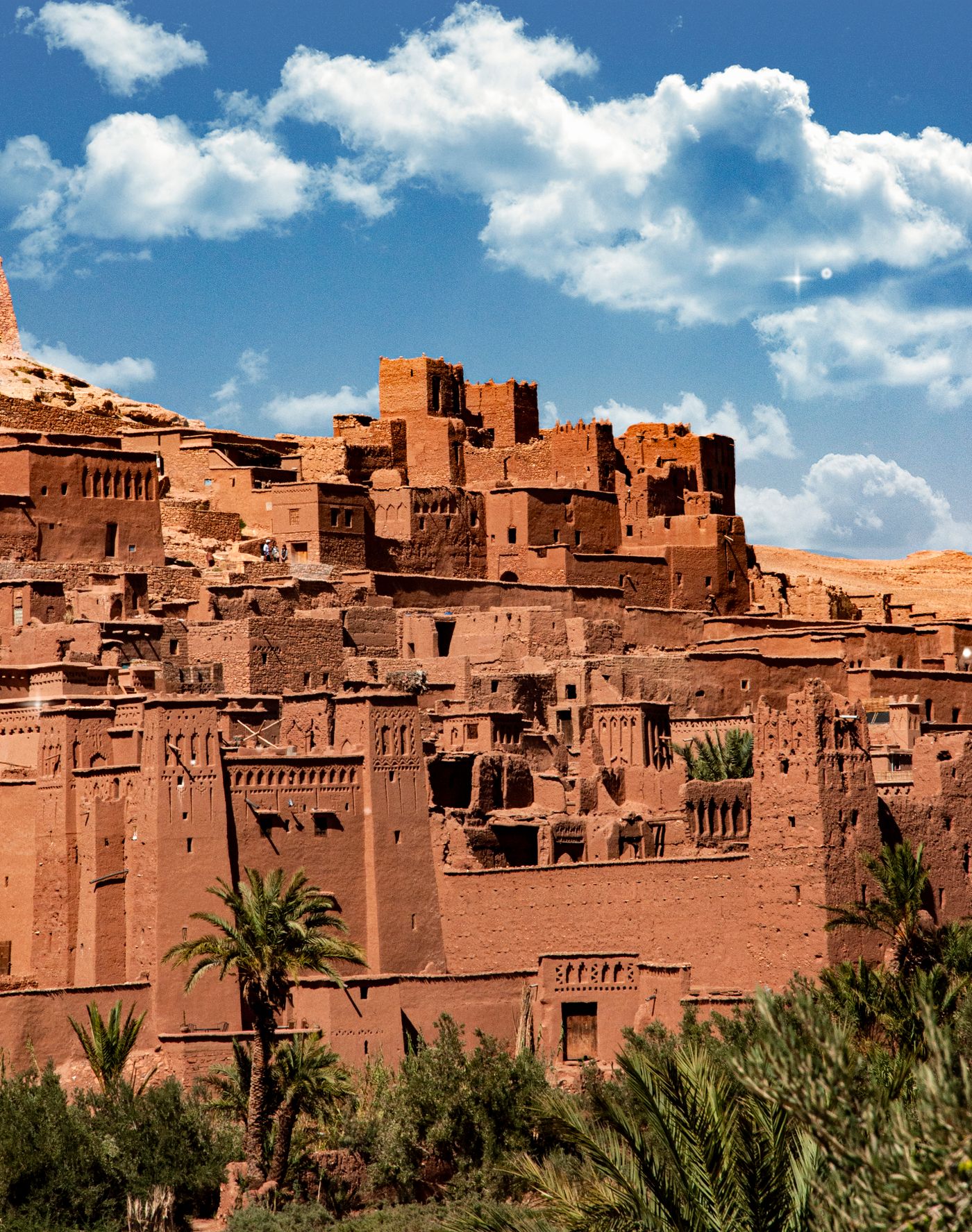
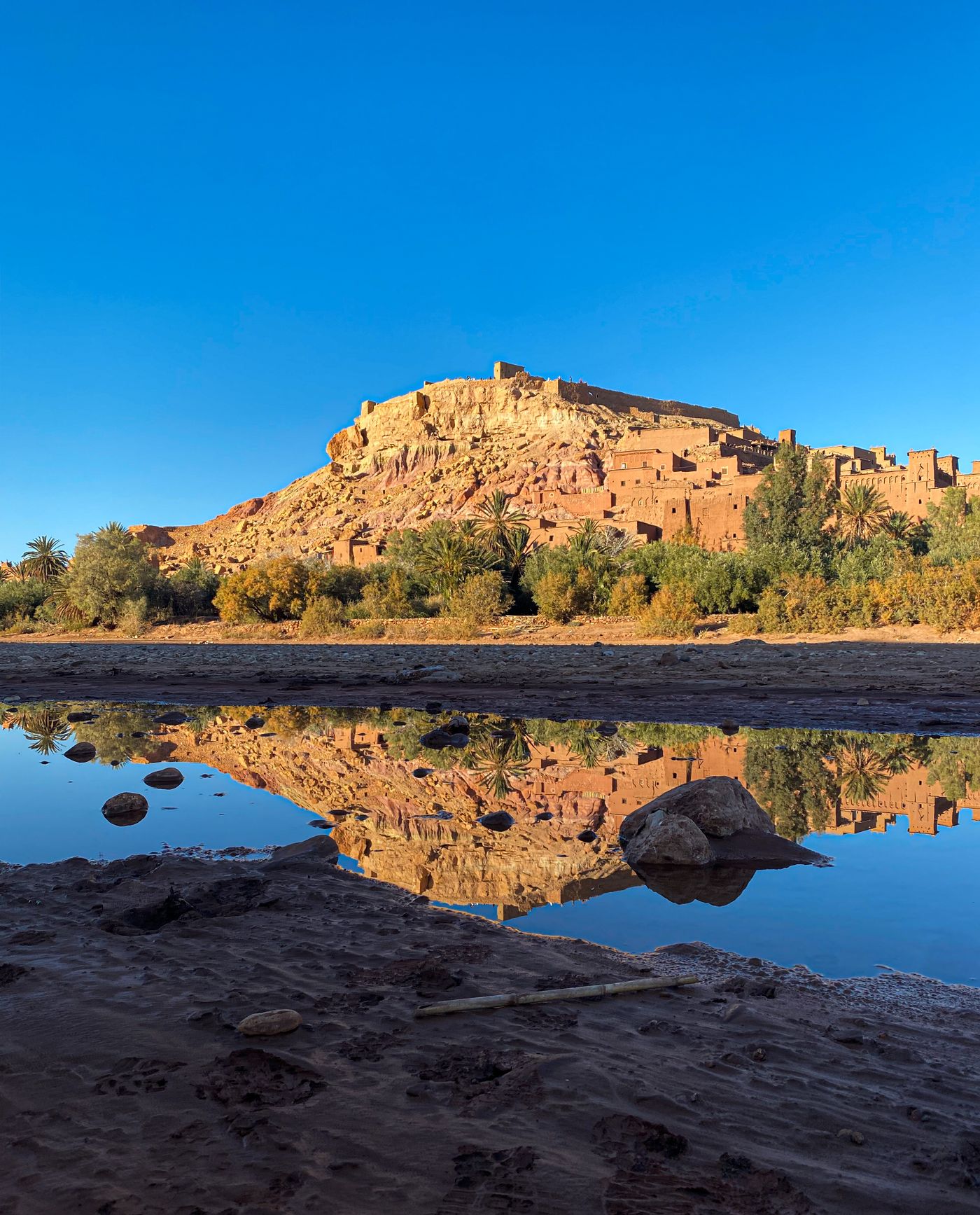
A classic southbound route can link Marrakech, the High Atlas, Aït Ben Haddou, Ouarzazate, Dades, Todra and the Sahara before continuing toward Fes.
How to approach it
Mountain Roads Need Time
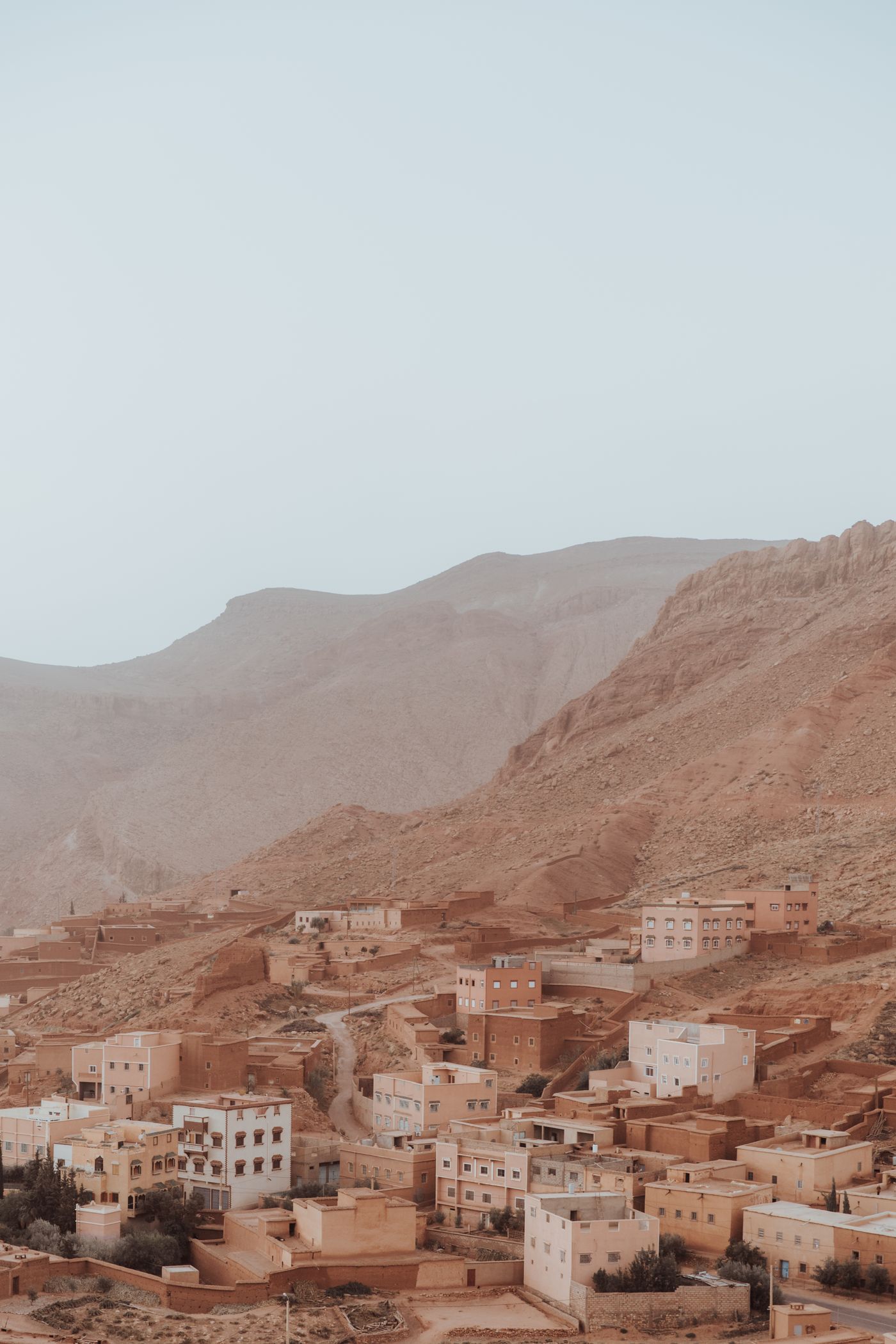
The Tizi n'Tichka crossing is scenic but winding.
Driving times can change with traffic, weather and roadworks, so itinerary times should be treated as planning estimates rather than guarantees.
Timing & conditions
The Sahara Leg
The desert should be treated as a destination rather than a quick drive-through.
Arriving before sunset gives time for the transfer into the dunes, while an overnight in the desert allows a sunrise experience before continuing.

Practical insight
Driving vs Private Driver
Self-drive offers independence but requires concentration on unfamiliar roads and changing terrain.
A private driver can reduce navigation and fatigue, especially on long mountain-to-desert legs, while still allowing stops along the way.
